
Medicare Rights Recommends Key Policy Actions for the New Biden Administration
The Medicare Rights Center looks forward to working with the Biden administration to protect and strengthen Medicare as well as


The Medicare Rights Center looks forward to working with the Biden administration to protect and strengthen Medicare as well as

In a new report, the Kaiser Family Foundation (KFF) examines the potential impact of new transparency rules on consumer behavior

On December 23, Congress passed several key provisions of the Beneficiary Enrollment Notification and Eligibility Simplification (BENES) Act (S. 1280/H.R. 2477) as part of a comprehensive legislative package. Signed into law days later, these policies will update Medicare enrollment rules for the first time in over 50 years to end lengthy waits for coverage, expand critical administrative flexibilities, and inform future policymaking on enrollment period alignment.

The Medicare Rights Center looks forward to working with the Biden-Harris administration to advance policies that protect and strengthen Medicare as well as the health and economic well-being of those who rely on its coverage. To facilitate this dialogue, in the coming weeks we will release a set of detailed administrative actions for their consideration—and possible adoption—in 2021. We will also outline our legislative priorities for the 117th Congress.
A new report from the Centers for Medicare & Medicaid Services (CMS) indicates that in 2019, national health care expenditures grew by 4.6%, similar to the 2018 growth rate of 4.7%.
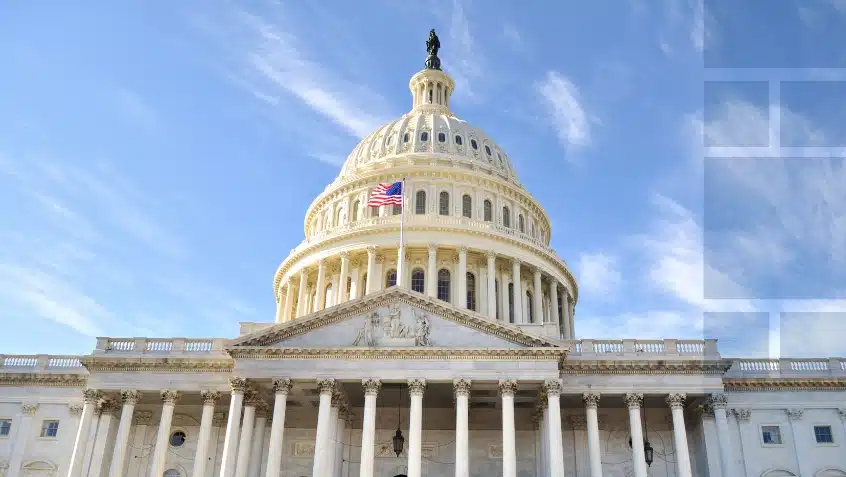
This week, Congress continued work on a year-end legislative deal, with bills to fund the federal government through September expected

Policymakers in Washington are continuing to negotiate the details of the next coronavirus response bill. Though such legislation is urgently needed, it remains unclear if a deal can be reached in the coming weeks. Now is the time to make your voice heard!
Yesterday, leading Democrats on U.S. House and Senate committees with jurisdiction over Medicare asked the Trump administration for more information on its rumored plan to send $200 “gift cards” to people with Medicare Part D in the coming weeks. The lawmakers also asked the U.S. Government Accountability Office (GAO), the federal agency charged with oversight of such matters, to conduct an expedited review of the project’s legality.
In recent months, the Medicare Rights Center has been pursuing urgently needed reforms, seeking to improve the federal coronavirus response and advance the bipartisan Beneficiary Enrollment Notification and Eligibility Simplification (BENES) Act (H.R. 2477/S. 1280).
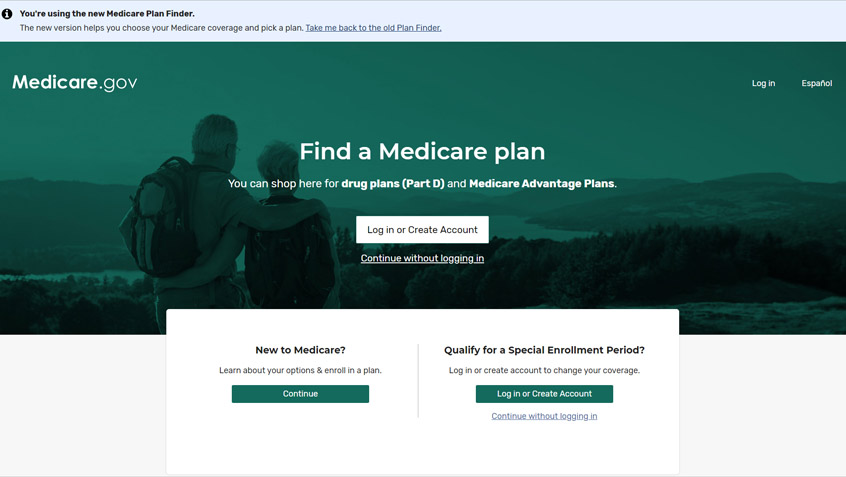
Medicare’s annual Fall Open Enrollment Period occurs from October 15 to December 7. During this time, people with Medicare can
The Medicare Rights Center looks forward to working with the Biden administration to protect and strengthen Medicare as well as
In a new report, the Kaiser Family Foundation (KFF) examines the potential impact of new transparency rules on consumer behavior
On December 23, Congress passed several key provisions of the Beneficiary Enrollment Notification and Eligibility Simplification (BENES) Act (S. 1280/H.R. 2477) as part of a comprehensive legislative package. Signed into law days later, these policies will update Medicare enrollment rules for the first time in over 50 years to end lengthy waits for coverage, expand critical administrative flexibilities, and inform future policymaking on enrollment period alignment.
The Medicare Rights Center looks forward to working with the Biden-Harris administration to advance policies that protect and strengthen Medicare as well as the health and economic well-being of those who rely on its coverage. To facilitate this dialogue, in the coming weeks we will release a set of detailed administrative actions for their consideration—and possible adoption—in 2021. We will also outline our legislative priorities for the 117th Congress.
A new report from the Centers for Medicare & Medicaid Services (CMS) indicates that in 2019, national health care expenditures grew by 4.6%, similar to the 2018 growth rate of 4.7%.
This week, Congress continued work on a year-end legislative deal, with bills to fund the federal government through September expected
Policymakers in Washington are continuing to negotiate the details of the next coronavirus response bill. Though such legislation is urgently needed, it remains unclear if a deal can be reached in the coming weeks. Now is the time to make your voice heard!
Yesterday, leading Democrats on U.S. House and Senate committees with jurisdiction over Medicare asked the Trump administration for more information on its rumored plan to send $200 “gift cards” to people with Medicare Part D in the coming weeks. The lawmakers also asked the U.S. Government Accountability Office (GAO), the federal agency charged with oversight of such matters, to conduct an expedited review of the project’s legality.
In recent months, the Medicare Rights Center has been pursuing urgently needed reforms, seeking to improve the federal coronavirus response and advance the bipartisan Beneficiary Enrollment Notification and Eligibility Simplification (BENES) Act (H.R. 2477/S. 1280).
Medicare’s annual Fall Open Enrollment Period occurs from October 15 to December 7. During this time, people with Medicare can